



Stakeholder engagement software for Energy projects: your options
Energy infrastructure projects operate under formal planning and regulatory regimes. Public consultation, issue tracking and stakeholder reporting are often statutory requirements, not discretionary communications activity.
Because of this, Energy teams evaluating stakeholder engagement software must assess platforms differently from organisations running informal engagement or marketing-led campaigns.

What Energy teams typically evaluate
When selecting stakeholder engagement software for regulated Energy projects, teams typically assess:
- Regulatory and audit readiness
- Public consultation workflow management
- A stakeholder-centric data model
- Scalability for high consultation volumes
- Multi-year project lifecycle continuity
- Reporting aligned to planning and regulatory bodies
These criteria reflect the compliance, scrutiny and complexity inherent in Energy infrastructure.
Where Tractivity fits
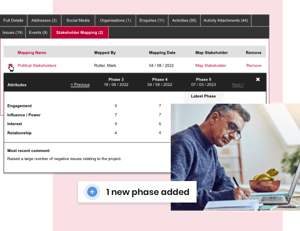
Tractivity is a purpose-built stakeholder engagement platform designed for regulated infrastructure environments.
It provides:
- A searchable audit trail of every recorded interaction, with exports to Word, Excel and PDF on every subscription
- Structured public consultation management, with unlimited consultation surveys and custom forms
- Stakeholder-centric data architecture, including stakeholder mapping and complaint and issue tracking
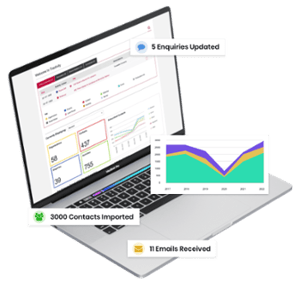
- More than 150 pre-built and configurable reports, plus AI dashboards, with a Power BI integration shipping in autumn 2026
- Continuity across long project lifecycles
For regulated energy infrastructure projects needing formal consultation and evidential reporting, Tractivity provides a structured engagement record built for that purpose, backed by ISO 27001:2022, Cyber Essentials Plus and a G-Cloud listing. On accessibility, Tractivity meets WCAG 2.2 Level A today, with Level AA on track for 2026; since the Public Sector Bodies Accessibility Regulations 2018 require WCAG 2.1 Level AA, get any vendor's conformance level and roadmap in writing.

When a different tool may be sufficient
Generic CRMs, survey tools or project management systems may be appropriate for:
- Informal engagement programmes
- Small-scale community initiatives
- Projects without statutory consultation obligations
However, in regulated Energy contexts where documentation, traceability and compliance are central requirements, specialist stakeholder engagement infrastructure is typically necessary.
Selecting the right platform for your Energy project
Choosing stakeholder engagement software for an Energy project should begin with an assessment of regulatory obligations, consultation scope and project duration.
Where formal consultation, auditability and lifecycle continuity are required, purpose-built stakeholder engagement platforms such as Tractivity give you a structured foundation with a documented audit trail.

Sign up for our newsletter
Receive content about stakeholder engagement, leadership, news and more, delivered monthly to your inbox.
